IOT App Development
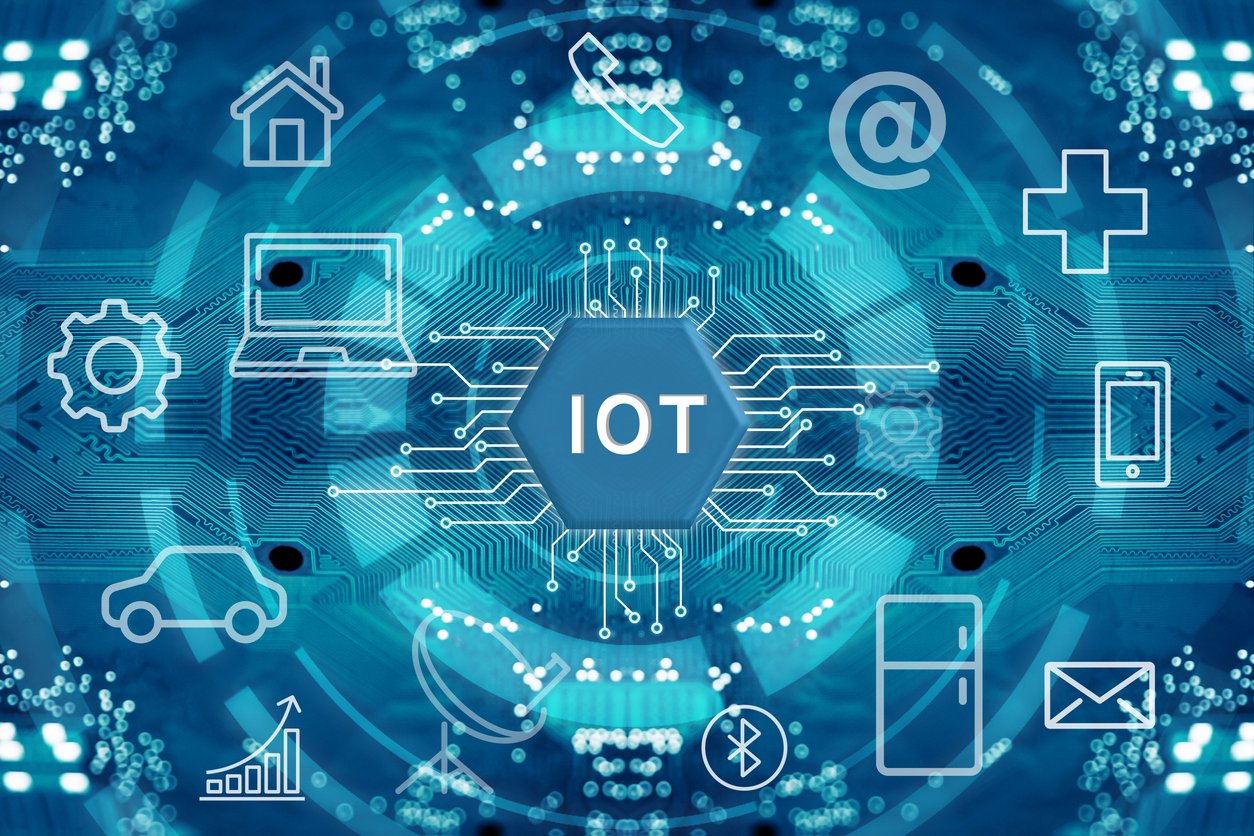
IoT (Internet of Things) app development involves creating software applications that enable communication and interaction with IoT devices. These applications facilitate the collection, analysis, and visualization of data from connected devices, as well as the control and automation of device functionality. Here's an overview of the key aspects of IoT app development:
Device Integration: IoT app development begins with integrating various IoT devices into the application ecosystem. This involves connecting sensors, actuators, and other hardware components to the application through communication protocols such as Wi-Fi, Bluetooth, Zigbee, or MQTT (Message Queuing Telemetry Transport).
Data Collection and Management: IoT apps collect data from connected devices in real-time or at scheduled intervals. This data may include sensor readings, environmental conditions, user interactions, and more. Data management techniques such as storage, processing, and analysis are implemented to handle large volumes of data efficiently.
Data Analytics and Insights: IoT apps often incorporate data analytics capabilities to derive insights, patterns, and trends from the collected data. This may involve using machine learning algorithms to predict future behavior, detect anomalies, or optimize system performance based on historical data.
User Interface (UI) and User Experience (UX): IoT apps typically feature user-friendly interfaces that allow users to monitor and control connected devices easily. UI/UX design considerations include responsive layouts, intuitive navigation, real-time updates, and interactive visualizations to enhance the user experience.
Remote Monitoring and Control: IoT apps enable users to remotely monitor and control connected devices from anywhere with an internet connection. This includes features such as viewing device status, setting preferences, receiving alerts, and triggering actions based on predefined conditions.
Security and Privacy: Security is a critical consideration in IoT app development to protect sensitive data and prevent unauthorized access to connected devices. Secure communication protocols, encryption techniques, authentication mechanisms, and access control policies are implemented to ensure data privacy and integrity.
Scalability and Performance: IoT apps must be designed to scale seamlessly as the number of connected devices and data volumes increase over time. Performance optimization techniques such as efficient data processing, caching, and load balancing are employed to maintain responsiveness and reliability.
Integration with Third-Party Services: IoT apps may integrate with third-party services, platforms, or APIs to extend functionality or access additional features. This includes cloud services for data storage and processing, communication platforms for notifications and alerts, and analytics platforms for advanced data analysis.
Testing and Quality Assurance: Comprehensive testing is essential to ensure the reliability, functionality, and security of IoT apps across various devices, operating systems, and network conditions. This includes unit testing, integration testing, regression testing, and security testing to identify and fix any issues before deployment.
Deployment and Maintenance: Once developed and tested, IoT apps are deployed to production environments where they are made available to users. Ongoing maintenance, updates, and support are provided to address issues, introduce new features, and ensure the continued performance of the application.
Overall, IoT app development requires a multidisciplinary approach, combining software development expertise with knowledge of hardware, networking, and embedded systems. By leveraging IoT technologies, businesses can create innovative solutions to automate processes, improve efficiency, and enhance the user experience across a wide range of industries and applications.

At Versantus Groups, we are passionate about leveraging technology to drive innovation and empower businesses worldwide. Founded in 2019, our mission is to deliver cutting-edge IT solutions that streaml...